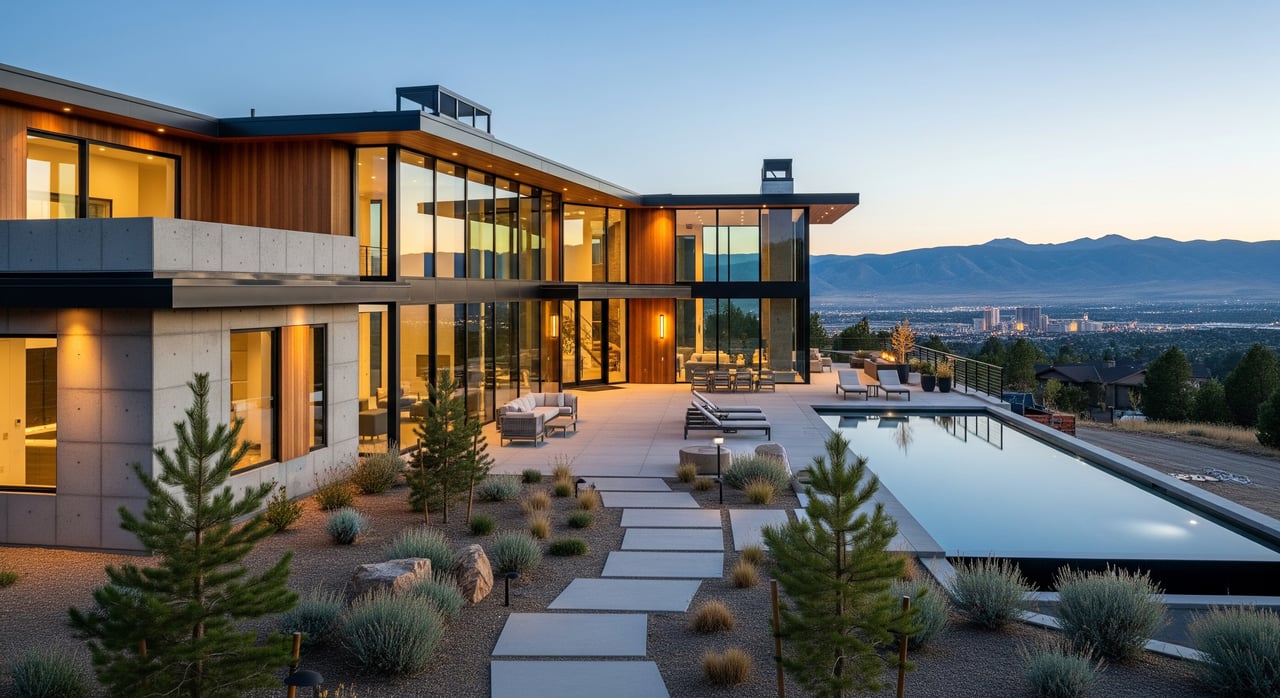
Reno New Construction Process: A Step-by-Step Buying Guide
Thinking about a new-construction home in Reno but unsure where to start? You are not alone. Between builder contracts, design choices, inspections, and timing around weather, the process can feel complex. This guide walks you through each step with local insight for South Reno and nearby master-planned communities so you can move forward with confidence. Let’s dive in.
Newer communities in South Reno, including areas around Damonte Ranch and South Meadows, offer planned amenities, fresh floor plans, and energy-efficient systems. You will find everything from national and regional tract builders to local production and custom builders. Options range from quick-move-in spec homes to fully custom builds on private lots.
Timing is a local factor. Winter slows exterior work, and inspection or supply backlogs can extend schedules. Build timelines and costs vary with lot readiness, labor, and materials, so plan for flexibility.
Start with a written mortgage pre-approval before touring models or reserving a lot. It clarifies budget, down payment, and loan type. Lenders will ask for pay stubs, W-2s or tax returns, bank statements, asset documentation, ID, and employment verification.
Decide on financing early:
Many builders offer preferred-lender incentives like rate buydowns or closing-cost credits. Compare options and the total cost of funds before choosing.
Evaluate the lot like a pro. Consider orientation, solar exposure, slope, views, drainage, setbacks, easements, and utility stub locations. Ask for geotechnical and soil reports, neighborhood plat maps, and any HOA architectural standards or deed restrictions.
Common contract paths include a lot reservation with a selected plan, a spec or inventory home contract, or a detailed custom-build agreement. Expect an earnest money or lot deposit that can be staged. Refundability depends on your contract and contingency periods, so know the terms before you sign.
After contract, you will choose finishes and options in the design center. Structural options, cabinets, flooring, counters, plumbing, lighting, and paint are typical categories.
Most builders set deadlines for selections. Missing a deadline can trigger default choices or a change order. Understand what is covered by any allowances and plan a buffer for upgrades to avoid cost overruns.
Permitting runs through the City of Reno Building Division for homes inside city limits and the Washoe County Building Division for unincorporated areas. Timelines vary by jurisdiction and project. Site prep includes grading, utilities, foundation work, and drainage measures. On some lots, retaining walls or engineered solutions may be needed, which adds time and cost.
Municipal inspections occur at key points. They confirm code compliance but do not replace independent quality checks. Plan on hiring your own inspector.
For many tract or spec homes, build stages follow a predictable flow:
Spec homes often finish faster than custom builds. Weather, supply chain hiccups, inspection backlogs, and change orders are the main causes of delay. Builders usually provide projected dates with disclaimers for events outside their control.
You will have municipal final inspections before occupancy. Schedule a buyer walkthrough to create a punch list of items to correct. Hire an independent inspector at least twice: once mid-build after framing and rough-ins, and again before closing. Confirm in your contract how and when you can access the home for inspections.
Closing usually happens after final approvals and the Certificate of Occupancy. Some builders may close title before every cosmetic item is finished. Clarify what is needed for legal occupancy and any Temporary Certificate of Occupancy conditions. At closing, expect title insurance, escrow fees, HOA documents and transfer costs, and any assessments to be addressed.
Plan your utility turn-ons for electricity, gas, water, trash, and internet. Confirm who sets up each account and when service starts.
Many builders use a standard warranty structure:
You will receive a homeowner orientation and service instructions. Report issues in writing with photos and dates, and follow the builder’s warranty process to keep timelines clear.
Appraisals on new construction rely on recent comparable sales or a cost approach when comps are scarce. Share your contract and upgrade list with the appraiser so selected options are considered. If the appraisal comes in below the contract price, you might renegotiate, cover the gap, or explore solutions with your builder and lender.
If you are building from the ground up, ask about construction-to-permanent loans. These can reduce re-qualification risk at completion, but compare rates, fees, and terms with traditional financing.
When builders offer incentives, weigh the long-term value. A permanent rate buydown can be more impactful to your monthly payment than a small cosmetic upgrade. Local utility providers often have energy-efficiency rebates for high-efficiency systems, solar-ready features, or EV pre-wire. Verify available programs during your selections.
Master-planned communities in South Reno often have covenants, conditions, and restrictions. Review CC&Rs, architectural standards, and any rules for landscaping or exterior changes. HOAs may charge transfer fees, capital contributions, and monthly dues.
Title insurance and a clean title are standard at closing. New subdivisions may include phased assessments or special improvement districts. Ask early about any outstanding or deferred infrastructure assessments so you can plan your budget accordingly.
For homes inside city limits, the City of Reno oversees permits and inspections. For unincorporated South Reno, the Washoe County Building Division is the authority. You can check contractor license status and complaint history with the Nevada State Contractors Board.
Municipal inspections are essential, but they focus on code compliance. A licensed independent inspector will evaluate workmanship and items outside the municipal checklist. Schedule a mid-build inspection and a final inspection before signing off.
Common risks include change orders, soil or grading surprises, and weather delays. Budget a contingency of 5 to 10 percent of your upgrade budget for unexpected costs. Keep every selection sheet, change order, payment receipt, and email. Good documentation helps if you need to file a warranty claim later.
If you want a smooth build with fewer surprises, a local agent who knows South Reno builders and master-planned communities can make a real difference. You get help comparing floor plans and lots, negotiating incentives, coordinating inspections, and tracking deadlines with the city or county. It is the support that turns a complex process into a clear plan.
Have questions about a specific neighborhood or builder in Damonte Ranch or South Reno? Reach out to Benjamin Florsheim for a step-by-step plan tailored to your budget, timeline, and design goals.

Real Estate
Teething Nights, Turbulent Markets, and What It All Means for You
Whether you're buying, selling, or investing, Ben Florsheim brings deep Reno-Tahoe knowledge and 13+ years of proven success to help you navigate the market with confidence and clarity.