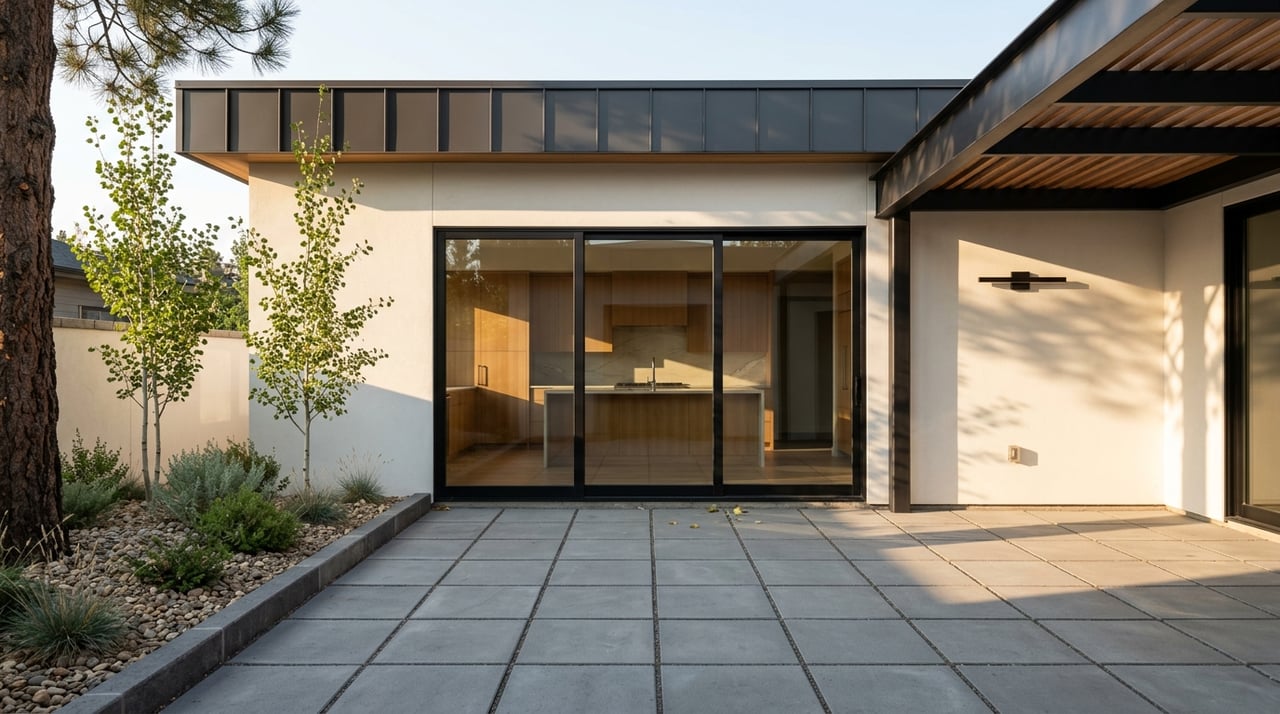
Reno vs Carson City Living: Which Fits Your Everyday Life?
Trying to choose between Reno and Carson City is not just about maps or home prices. It is really about how you want your week to feel once work ends, errands pile up, and you are deciding where to spend your free time. If you are weighing both cities, this guide will help you compare pace, housing, dining, outdoor access, and commuting so you can figure out which one fits your everyday life best. Let’s dive in.
At a high level, Reno usually feels more urban, while Carson City feels smaller and more compact. According to the U.S. Census QuickFacts for Reno, Reno’s 2024 estimated population is 281,714, compared with 58,148 in Carson City. Reno is also much denser, with 2,428.6 people per square mile versus 405.7 in Carson City.
That difference tends to shape daily life more than people expect. Reno often offers more activity, more housing variety, and more places to go in a single day. Carson City often appeals to people who want a quieter rhythm, easier access to open space, and a smaller-city feel.
If you like having more choices on a typical Tuesday night, Reno may feel like the better fit. The city highlights a broad arts and culture scene, including more than 200 public artworks and Artown’s 500-plus July activities, along with active districts like Riverwalk, Midtown, and Brewery. That larger entertainment footprint can become part of your normal routine, not just something you save for weekends.
In practical terms, Reno often feels more active after work. You may have more restaurants, events, and mixed-use districts to choose from without leaving the city. For some buyers, that energy is a major plus.
Carson City offers culture too, but on a smaller and more centralized scale. Visit Carson City highlights the Brewery Arts Center, the Murals & Music Festival, the Wine Walk, museums, public art, and historic downtown experiences. That points to a local scene that is easier to reach and often more woven into a compact downtown core.
If you want a place that feels less crowded and more manageable day to day, Carson City may check that box. You can still enjoy dining, events, and cultural outings, but the overall pace is usually quieter.
For many buyers, the real question is not just cost. It is also how many housing options match your lifestyle. Reno’s planning framework includes large-lot neighborhoods, single-family neighborhoods, suburban mixed-use areas, and downtown mixed-use districts, according to the City of Reno Master Plan.
That broader mix often translates into more variety across detached homes, condos, apartments, and mixed-use living environments. If you want flexibility in neighborhood style or housing type, Reno may give you more to compare.
Carson City’s housing profile suggests a somewhat more ownership-focused market. Census estimates show Reno’s owner-occupied housing rate at 49.8%, while Carson City’s is 62.3%. The same source lists Reno’s median owner value at $548,300 and median gross rent at $1,556, compared with Carson City’s median owner value of $453,000 and median gross rent of $1,248.
On these headline measures, Carson City tends to look somewhat less expensive and more owner-occupied. Its planning language also emphasizes a mix of detached and attached single-family homes, multi-family homes, accessory dwellings, and mixed-use development while protecting established neighborhood character and open lands. That can appeal if you want a neighborhood feel with open-space considerations built into long-term growth.
One of the more surprising comparisons is commute time. Census data shows mean travel time to work is very close: 20.3 minutes in Reno and 20.5 minutes in Carson City. So if you are only looking at average minutes, the difference is minimal.
What matters more is how you live between those trips. In Reno, you may do more of your dining, errands, and entertainment inside the city. In Carson City, you may enjoy a more compact local routine but still tap into the wider Reno-Carson corridor when you want more options.
The connection between the two cities is a real lifestyle factor. RTC RIDE serves Reno, Sparks, and parts of Washoe County with 70 buses on 26 routes, while Carson City’s JAC runs four fixed routes. The RTC Regional Connector also promotes travel between Reno and Carson City, and NDOT notes that I-580 connects the Reno spaghetti bowl to south Carson City.
That means you do not always have to treat this as an either-or decision. Some people choose Carson City for its pace and outdoor access, then head to Reno for broader dining, entertainment, or work needs. Others prefer living in Reno and making Carson-area recreation part of their routine.
If you want outdoor access to feel like part of your normal week, Carson City stands out. The city says it has about 8,000 acres of parks and open space and more than 100 miles of trails, including areas like Riverview Park, Prison Hill, and the Capital to Tahoe Trail.
That kind of access can shape your mornings, evenings, and weekends in a very practical way. You may not need to plan a major outing just to get outside. For many buyers, that convenience is one of Carson City’s biggest strengths.
Reno also has a strong outdoor identity, but it often feels more metro-wide. The city highlights the Truckee River Whitewater Park and notes that Lake Tahoe and a large concentration of ski facilities are within a fifty-mile radius.
If you like the idea of living in a larger city while still being close to major recreation, Reno may feel like the best balance. Outdoor access is still important here, but it can be more about regional reach than having trail systems woven directly into everyday neighborhood life.
How much does downtown life matter to you? That question can quickly clarify which city feels more natural.
In Reno, dining and culture are spread across a larger footprint, with districts that support more variety and more frequent change. If you enjoy exploring new spots, seeing public art, or having more event options throughout the year, Reno may fit your style.
In Carson City, the appeal is often convenience and familiarity. A smaller downtown can make regular outings feel simpler and less time-consuming. If you would rather have a locally rooted, easy-to-reach downtown than a larger urban mix, Carson City may feel more comfortable.
Here is the simplest way to think about it.
Neither choice is universally better. It depends on whether you want more activity built into your day or more breathing room around it.
If you are still unsure, try comparing both cities through the lens of your weekday habits instead of your wish list. Ask yourself where you want to run errands, how often you want to go out after work, whether trail access matters on a random Wednesday, and how often you expect to use the Reno-Carson corridor.
That approach usually leads to a clearer answer than comparing cities in the abstract. When you focus on your real routine, the right fit tends to stand out faster.
If you want help weighing neighborhoods, housing options, or commute patterns around Reno and Carson City, Benjamin Florsheim can help you sort through the tradeoffs and find the area that fits how you actually live.

Real Estate
Teething Nights, Turbulent Markets, and What It All Means for You
Whether you're buying, selling, or investing, Ben Florsheim brings deep Reno-Tahoe knowledge and 13+ years of proven success to help you navigate the market with confidence and clarity.