Buying a Condo or Loft in Downtown Reno: Key Tradeoffs
Wondering whether a downtown Reno condo or loft is the better fit for your lifestyle? It is a smart question, because in Downtown Reno, your decision affects more than square footage or finishes. You are choosing how you want to live in a dense, active mixed-use district where housing, entertainment, events, and daily convenience all intersect. This guide breaks down the real tradeoffs so you can compare layout, ownership, parking, HOA details, and noise with more confidence. Let’s dive in.
Downtown Reno is more than a collection of residential buildings. According to the City of Reno, downtown serves as the center of tourism, entertainment, and leisure while also functioning as a residential neighborhood. That mix can be a major plus if you want walkable access to dining, events, and services.
It also means you should expect some activity that comes with a busy urban core. The city’s special event permitting process notes that nearby residents and businesses may be notified about road closures, parking restrictions, noise, and public access changes. If you are deciding between buildings, that context matters just as much as the unit itself.
A condo is first an ownership structure, not a design style. The National Association of REALTORS® consumer guide explains that you own your individual unit and a share of the common elements, while the condo association manages and enforces the community’s governing rules.
That setup usually comes with monthly dues, shared maintenance responsibilities, and association oversight. It can simplify some parts of ownership, but it also means you need to understand the rules, finances, and what the dues actually cover.
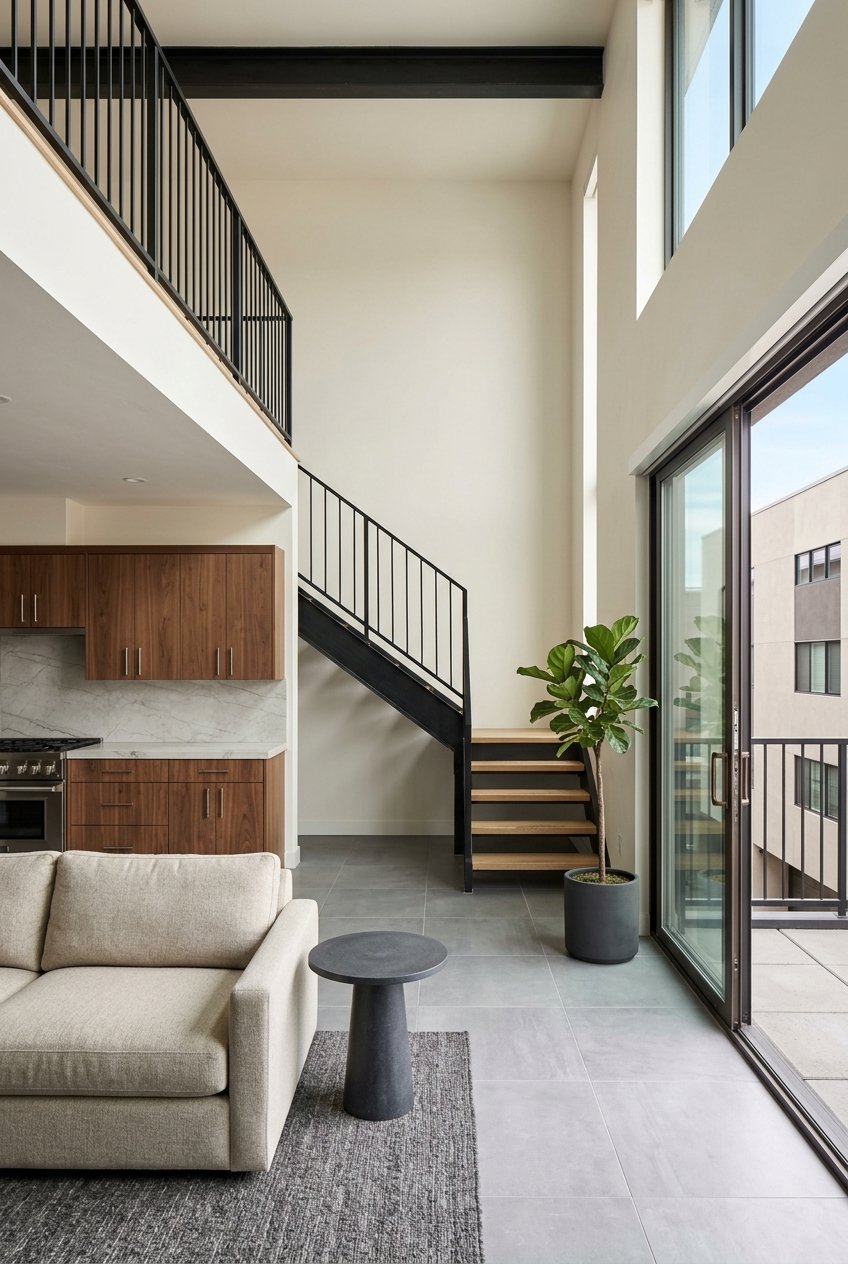
A loft is usually about style and floor plan. Realtor.com’s loft overview describes lofts as open-concept spaces with high ceilings and character-rich features like exposed brick, beams, or concrete and wood floors.
In practice, a downtown Reno loft may still be a condo from a legal ownership standpoint. That is why the labels can overlap. You may be shopping for a loft-style condo rather than choosing between two completely separate property types.
If you love volume, natural light, and a more urban design feel, a loft can be very appealing. The open plan often makes the space feel larger and brighter than the square footage suggests. For buyers who want character and a less conventional home, that can be a big advantage.
The tradeoff is privacy. Open space can make it harder to separate sleeping, working, and entertaining zones. If you work from home, host overnight guests, or just prefer quieter separation between rooms, that openness may feel less practical over time.
A more traditional condo layout usually gives you defined bedrooms and more separation between living spaces. That can make daily routines easier, especially if you want a dedicated office, a guest room, or stronger sound separation inside the unit.
This does not mean one option is better for everyone. It means your ideal choice depends on how you actually live. If flexibility and architectural style matter most, a loft may win. If function and room separation matter more, a conventional condo may be the better fit.
Condo ownership in Nevada usually means living within an association’s rules. NAR notes that condo documents often address noise, pets, parking, renovations, and rentals in addition to dues and common-area responsibilities.
Those rules can shape your daily life more than many buyers expect. Before you commit, make sure you know whether the building’s policies match how you plan to use the home.
Monthly dues are only part of the picture. The same NAR condo guide advises buyers to review reserves, financial health, and the share of units that are rented versus owner-occupied, because lenders may weigh those factors and weak reserves can increase the risk of special assessments.
A building with appealing common areas but weak financials may create more risk than a simpler building with healthier reserves. This is one of the biggest reasons buyers should compare buildings, not just units.
Nevada gives condo buyers a detailed disclosure path that can work in your favor if you use it well. Under NRS 116, sellers in common-interest communities generally must provide a resale package that includes the declaration, bylaws, rules, current budget, year-to-date financials, reserve information, monthly assessment details, and certain unpaid obligations.
The same law generally gives you a five-calendar-day cancellation period after receiving the resale package. That creates an important review window, but timing matters. You do not want those documents arriving after key contingency decisions if you can help it.
A practical approach is to ask for the package early and review it carefully. Electronic delivery is generally required at no charge whenever possible, which can make the review process faster and easier.
Parking often decides the winner in downtown Reno, even when buyers start out focused on style. The city’s downtown zoning standards show that there is no minimum parking requirement in Mixed-Use Downtown districts. That means one building may include deeded or assigned spaces while another may rely more on public garages, permits, or street parking.
Do not assume parking is included just because the property is in a residential building. Ask whether the space is deeded, assigned, leased, or first-come, and whether guest parking exists.
As a reference point, the city notes that the City Hall garage charges $2 per hour with a $24 daily maximum, and the city also provides information on residential parking permits. If you plan to drive regularly, or if guests visit often, parking logistics deserve real weight in your decision.
Noise is not a minor issue in downtown Reno. In late 2025, the city reported in its downtown noise review that C-scale measurements averaged above 70 dBC downtown, with louder nighttime readings on nightlife-heavy streets.
That does not mean downtown living is a bad fit. It means you should evaluate the unit with your real schedule in mind. A home that feels fine on a weekday afternoon may feel very different on a weekend evening.
Floor level, window quality, unit orientation, and proximity to bars, live music, or event routes can all affect your day-to-day comfort. In a loft, high ceilings and open plans may add to the airy feel, but they may also shape how sound travels inside the unit.
If sleep quality or remote work matters to you, ask direct questions and visit the area at different times. In downtown Reno, location within the building can be just as important as location on the map.
Your lender may look closely at the building, not just your finances. According to NAR, condo financing can depend in part on association finances and owner-occupancy ratios. Insurance also works differently, since condo owners typically need a condo policy rather than the same coverage structure used for a detached home.
This is another reason to bring your lender and insurance agent into the conversation early. A unit that looks perfect on paper may come with extra steps if the building’s financial profile is not as strong as expected.
| Factor | Loft-Style Unit | More Traditional Condo |
|---|---|---|
| Feel | Open, airy, character-driven | More defined, conventional layout |
| Privacy | Lower separation between spaces | Better room separation |
| Work-from-home setup | Can be harder to create quiet zones | Often easier to create dedicated spaces |
| Style | Often high ceilings and industrial details | Varies by building and unit |
| Daily predictability | Depends heavily on layout and building context | Often easier for routine living |
| Best question to ask | Does the openness work for your real life? | Do the rules, dues, and layout fit your needs? |
Before you make an offer, focus on the issues that most often affect satisfaction after closing:
The right downtown Reno purchase usually comes down to more than the word condo or loft. In many cases, the bigger tradeoffs are openness versus separation, plus the practical realities of HOA rules, parking, financing, and exposure to downtown noise and events. If you match the unit and the building to how you actually live, you will make a much stronger decision.
If you want help comparing downtown Reno condos, loft-style units, and individual buildings, connect with Benjamin Florsheim. You will get local insight, clear guidance, and a practical second opinion before you make your move.


Real Estate
Teething Nights, Turbulent Markets, and What It All Means for You
Whether you're buying, selling, or investing, Ben Florsheim brings deep Reno-Tahoe knowledge and 13+ years of proven success to help you navigate the market with confidence and clarity.