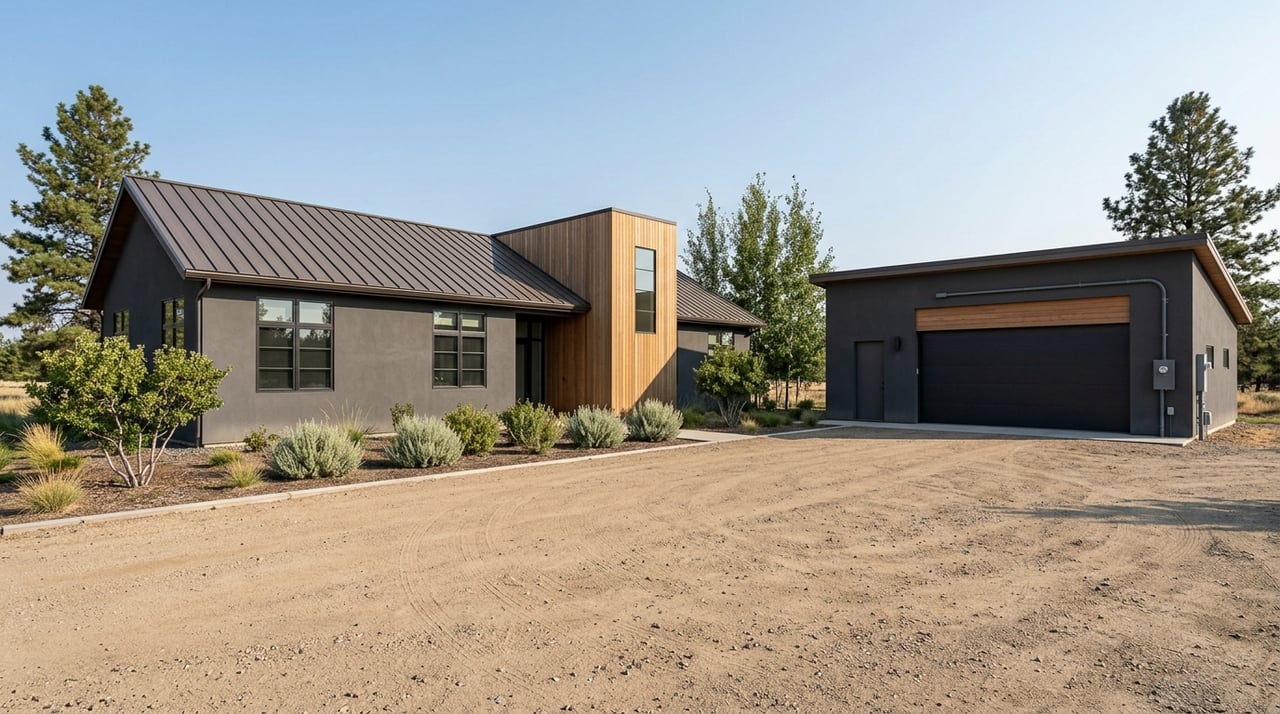
Selling Acreage Property in Washoe Valley
If you are selling acreage in Washoe Valley, you are not just listing a house. You are presenting land, access, utilities, views, outbuildings, and a rural lifestyle that buyers will evaluate very differently than a typical suburban property. When you understand what buyers, appraisers, and county records tend to focus on, you can prepare your property more effectively and avoid surprises during escrow. Let’s dive in.
Washoe Valley has a distinct rural character, and that shapes how acreage property is marketed and valued. Washoe County describes the South Valleys, including Washoe Valley, as largely rural agricultural communities with scenic vistas, open space, wildlife habitat, and longstanding rural land use.
In New Washoe City, county planning materials describe a mix of cattle ranching, agriculture, equestrian facilities, residential development, and a small commercial node. The area also includes many one-acre and five-acre parcels, with parts of the planning area limited by rural land-use designations and environmental constraints to roughly one unit per 5 acres.
That matters because buyers are often looking beyond the home itself. They are paying close attention to privacy, mountain and valley views, road approach, land usability, and how the parcel fits into the surrounding rural setting.
On acreage property, size alone does not determine value. Appraisal guidance points to site characteristics like shape, topography, legal controls, utilities, access, and location as major factors in how a property is judged.
In plain terms, buyers want to know what the land can realistically support and how easy it is to use. A five-acre parcel with clear access, usable topography, and well-documented utilities may attract stronger interest than a larger parcel with unanswered questions.
Appraisers are expected to identify zoning and analyze whether a property is a legal conforming use, legal nonconforming use, illegal use, or in an area without local zoning. They also analyze highest and best use based on what is legally permitted, physically possible, financially feasible, and value-maximizing.
For you as a seller, that means your pricing strategy should be grounded in verified facts, not assumptions. If a buyer is uncertain about what the parcel allows or how it can be used, that uncertainty can weaken offers.
Barns, shops, stables, storage buildings, and similar improvements can add appeal, but they do not automatically add value in the same way. Fannie Mae guidance notes that outbuildings need special consideration because lenders look at whether the property still presents as residential in nature.
A small stable or barn may fit local expectations for a residential acreage property. Larger agricultural-style structures or extensive animal facilities may raise questions about use, maintenance, permitting, or how the property will be viewed in financing and appraisal.
Washoe County says its WRMS tools can help identify parcel-level details such as ownership, land use, zoning, water services, fire services, and acreage. This is especially important in Washoe Valley because two nearby parcels can have very different service or access situations.
Before your home goes live, it helps to gather the parcel facts a serious buyer will ask about. Clear records can make your listing feel more credible and reduce back-and-forth later.
Access is one of the biggest issues on acreage property. Washoe County notes that the Assessor’s Office does not research access easements, and that easement research should go through the Recorder’s Office, often with help from a title company.
If your listing talks about easy access, private approach, or future use potential, make sure those claims are supported by documents. On larger parcels, access assumptions can become a major issue during due diligence.
County building handouts for single-family dwellings show the kind of information that matters on rural property. Site plans commonly identify property lines, easements, setbacks, structures, utilities, service roads, drainage, and contour details.
Even if you are not building, these materials help buyers and appraisers understand the parcel. If you have a survey, plat map, or prior site documentation, those items can strengthen your listing package.
Many Washoe County parcels rely on domestic wells and individual septic systems. Northern Nevada Public Health oversees domestic well construction and sewage and wastewater regulation in Washoe County, and records can be requested through Washoe 311 using the property address and APN.
If your property uses a well or septic system, gather as much documentation as you can before listing. Useful records can include permits, maintenance history, diagrams, and any related health-district correspondence.
If your acreage includes water rights, those rights should be reviewed carefully. Nevada’s Division of Water Resources states that water rights are real property and must be conveyed by deed and recorded with the county where the water is diverted and used beneficially.
This means water rights should not be treated as an afterthought in your marketing. You want to confirm whether any rights are appurtenant to the land, separately owned, leased, or tied to a particular use before presenting them as part of the sale.
Nevada’s residential seller disclosure form requires the seller to complete the disclosure. The form addresses known conditions that materially affect value or use, and it specifically includes questions related to plumbing, sewer systems, septic tanks, and water supply.
For rural property in Washoe Valley, this is a key step. If your property has a private well, septic system, older improvements, or other parcel-specific issues, complete and organized disclosure preparation can help keep the transaction moving.
Nevada law also requires a separate written disclosure for homes or improved or unimproved lots adjacent to open range. Because Washoe Valley includes ranching and agricultural uses, this is something to evaluate on a parcel-by-parcel basis rather than assume either way.
Checking this early can prevent last-minute surprises. It also helps set clear expectations for buyers who may be less familiar with rural Nevada property conditions.
Acreage listings need to make the property easy to understand. In Washoe Valley, that usually means highlighting the full setting with wide exterior photography, aerial or drone images, approach shots, boundary context, and clear images of any outbuildings.
The county’s emphasis on scenic resources and corridor preservation supports what local sellers already know: the landscape is part of the value. Your marketing should help buyers understand how the parcel sits in the valley and what makes the site compelling.
Strong acreage marketing is not only visual. It is also document-driven.
Helpful materials may include:
When you can answer common questions upfront, buyers tend to feel more confident. That confidence can lead to better showings, cleaner offers, and fewer issues during escrow.
Washoe County’s Wildland Urban Interface guidance notes that the county operates under the 2024 International Wildland Urban Interface Code, and that fire-hazard severity, defensible space, and water conformity can factor into fire-risk determinations. County hazardous-fuels guidance also notes that weeds, invasive species, and other vegetation can pose hazards to structures.
A county hazard-mitigation source identifies wildland-urban-interface fire as a high-risk hazard and specifically notes southeastern Washoe Valley among the main locations. For sellers, that means fire readiness is not just a maintenance issue. It can also affect how buyers perceive the property.
If you have cleared brush, managed vegetation, or improved access around the home and structures, make that visible in your listing. Clean perimeter photos and clear driveway access can help a buyer feel that the property has been cared for thoughtfully.
This does not replace buyer due diligence, but it can reduce hesitation. On rural property, presentation often includes showing how the land functions, not just how it looks.
The biggest mistake on acreage listings is making assumptions sound like facts. Buildability, utility availability, easement access, and service status should all be verified before they are used as selling points.
In Washoe Valley, uncertainty is often what slows a deal down. A well-prepared seller focuses on turning unknowns into documented answers.
If you want to position your acreage property well, focus on the items that buyers and appraisers are most likely to study:
This kind of preparation supports better pricing, better marketing, and better negotiations. It also fits the reality of rural property sales in New Washoe City and the broader Washoe Valley area.
If you are getting ready to sell acreage and want a strategy built around local property conditions, pricing logic, and buyer expectations, Benjamin Florsheim can help you create a smarter plan from day one.

Whether you're buying, selling, or investing, Ben Florsheim brings deep Reno-Tahoe knowledge and 13+ years of proven success to help you navigate the market with confidence and clarity.