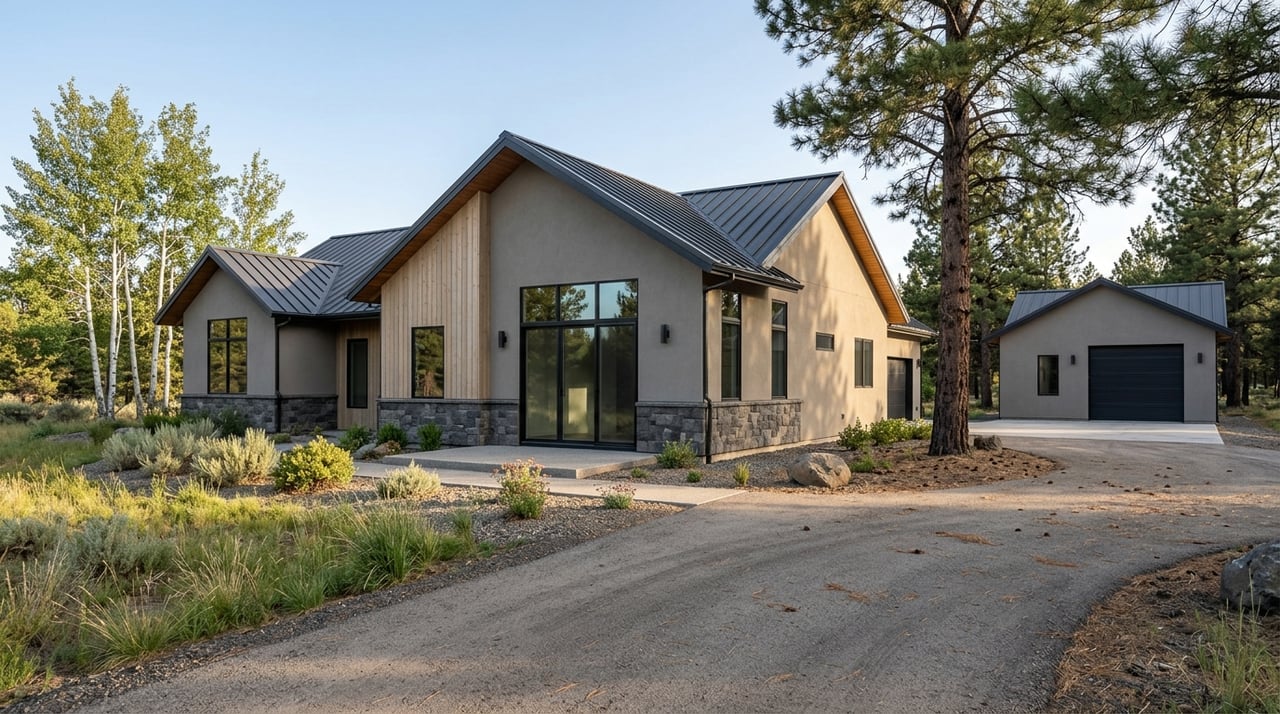
What It’s Like to Live on Acreage in Washoe Valley
Dreaming about more elbow room, mountain views, and a little more privacy in your day-to-day life? Living on acreage in Washoe Valley can absolutely offer that, but it also comes with more hands-on planning than a typical neighborhood lot. If you are considering New Washoe City or the surrounding valley, this guide will help you understand the lifestyle, the tradeoffs, and the key property details to verify before you buy. Let’s dive in.
Washoe Valley sits between Reno and Carson City along old Highway 395 and Eastlake Boulevard, wrapping around Washoe Lake with the Carson and Virginia ranges as a backdrop. Washoe County’s planning for the corridor emphasizes preserving natural and cultural resources, which helps explain why the area feels visually open and less built-up than many suburban parts of the region.
For many buyers, the biggest appeal is simple: more space. Acreage often gives you more room for outdoor gear, projects, animals, and a quieter routine than you might find in a standard subdivision. If you are coming from tract housing, that change can feel significant right away.
The outdoor setting is a big part of daily life here. Washoe Lake State Park highlights hiking, camping, picnicking, water sports, views, and equestrian activities, and Washoe County describes the broader region as having 49 parks, 161 miles of trails, and more than 10,000 acres of open space. If you want a home that supports an outdoor-oriented lifestyle, the valley fits that goal well.
Acreage living in Washoe Valley usually feels more rural than suburban. You may have wider setbacks, fewer nearby rooftops, and a stronger connection to the seasons, weather, and land itself. That can be a major upside if you value privacy and a calmer residential pace.
At the same time, acreage asks more of you as an owner. Instead of expecting everything to function like a typical in-town neighborhood, you need to think about the parcel as its own small system. Water, wastewater, drainage, access, and vegetation can vary a lot from one property to the next.
That parcel-specific reality is one of the most important things to understand before you buy. Two homes in the same general area can live very differently depending on zoning, utility setup, road access, and site conditions.
Washoe County describes the region as semi-arid, with hot summers and cool winters. That climate shapes the acreage experience more than many buyers expect, especially if they are used to smaller lots with simpler landscaping and fewer maintenance needs.
On a larger parcel, you may need to think more carefully about irrigation, dust control, and water use. Drought is a recurring hazard in the county and is tied to winter snowpack and rainfall, so outdoor planning matters. A property with lots of open land can be beautiful, but it also requires realistic expectations about upkeep through different seasons.
Winter access matters too. Washoe County maintains about 1,088 center lane miles on 34 snow and ice routes, but not every road is treated the same way. The county notes that Priority 3 includes unpaved roads, cul-de-sacs, and dead-ends, so your exact location and access route can affect how a winter storm feels on the ground.
One of the biggest differences between acreage living and suburban living is that utilities may not be standardized. Washoe County specifically points buyers to key parcel details such as zoning, parcel size, and whether the property is connected to municipal water and sewer or uses a well and septic system.
That distinction matters because it affects maintenance, inspections, long-term planning, and sometimes how you use the property. Northern Nevada Public Health has regulatory authority over sewage, wastewater disposal, and well construction, and Truckee Meadows Water Authority provides address-based water quality lookup tools. In short, it is smart to verify service rather than assume.
This is especially important in unincorporated areas. Washoe County’s Utility Team serves about 16,000 wastewater customers, mostly in some urban areas of Reno and Sparks, which reinforces that sewer service is not universal across rural parcels.
When you buy acreage, the road can be almost as important as the house. You will want to know whether access is public or private and who is responsible for snow removal, grading, culverts, and drainage.
Washoe County’s Roads and Stormwater team handles issues like obstructions, flooding, clogged ditches, and plow concerns on county-maintained routes. But the county also makes clear that maintenance outside county-owned rights-of-way and easements is usually the responsibility of the owner or an HOA.
That means a beautiful setting should always be matched with practical questions. If a parcel sits on a private road or has drainage features outside public maintenance areas, your day-to-day ownership costs and responsibilities may look very different from what you are used to.
In Washoe Valley, wildfire planning is not a minor detail. Washoe County describes wildland fire as fire moving through vegetated areas with limited structures, and it notes that both lightning and human activity can start these fires.
For acreage owners, that makes defensible space and vegetation management part of normal ownership, not just emergency planning. Truckee Meadows Fire Protection District serves unincorporated Washoe County, including Washoe Valley, and its fire prevention guidance emphasizes defensible space, home hardening, and vegetation management.
This also matters if you are thinking about building or making major improvements. Washoe County has adopted the 2024 International Wildland-Urban Interface Code for new submittals, so fire-related standards can affect design and construction planning.
Acreage alone does not tell you what a property can support. In Washoe County, allowed uses come from zoning and the Table of Uses, and the county’s WRMS and EZ Maps tools are designed to show zoning, jurisdiction, land use, water service, fire service, and other parcel information.
That matters if your vision includes animals, a barn, a detached garage, an ADU, or other improvements. The land may look flexible, but what you can actually do depends on the parcel’s zoning and applicable review standards.
This is one of the most common places buyers make assumptions. A property may have plenty of room physically, but still have limits on what can be added or how the land can be used.
If you are considering acreage because you want animals, verify the zoning early. Washoe County says poultry and rabbits are allowed in rural and some suburban zones on lots over 12,000 square feet, while livestock, including horses, is allowed in rural zones and some suburban parcels of at least 0.5 acre, subject to zoning and parcel size.
That means animals may be possible, but they are not automatic just because a property feels rural. Before you make an offer, confirm what the zoning allows and whether any parcel-specific conditions apply.
Many buyers looking at acreage also want flexibility for future improvements. Washoe County says ADUs are allowed in several residential zones with administrative review, while accessory structures such as sheds, barns, and detached garages must meet setback rules and cannot be inhabited.
Permits are required, and new submittals are reviewed under the county’s current 2024 ICC code set. If you are thinking long term, this is worth reviewing before you buy, especially if an outbuilding, workshop, or future second living space is part of your plan.
If you are serious about living on acreage in Washoe Valley, here are the questions that matter most:
These questions are not just technical details. They shape your budget, your daily routine, and how well the property fits your long-term goals.
Living on acreage in Washoe Valley can be a great fit if you want space, scenery, and a more independent lifestyle along the Reno-Carson corridor. The setting is one of the area’s biggest strengths, with open views, strong access to recreation, and a residential feel that is often more rural than suburban.
But the best acreage purchases usually happen when buyers balance lifestyle excitement with careful due diligence. Utilities, road access, drainage, fire preparedness, zoning, and future-use plans all deserve close review. When you understand those details upfront, you can buy with much more confidence.
If you are exploring acreage homes in New Washoe City or trying to decide whether a rural parcel fits your goals, Benjamin Florsheim can help you evaluate the details that matter and make a more informed move.


Real Estate
Teething Nights, Turbulent Markets, and What It All Means for You
Whether you're buying, selling, or investing, Ben Florsheim brings deep Reno-Tahoe knowledge and 13+ years of proven success to help you navigate the market with confidence and clarity.