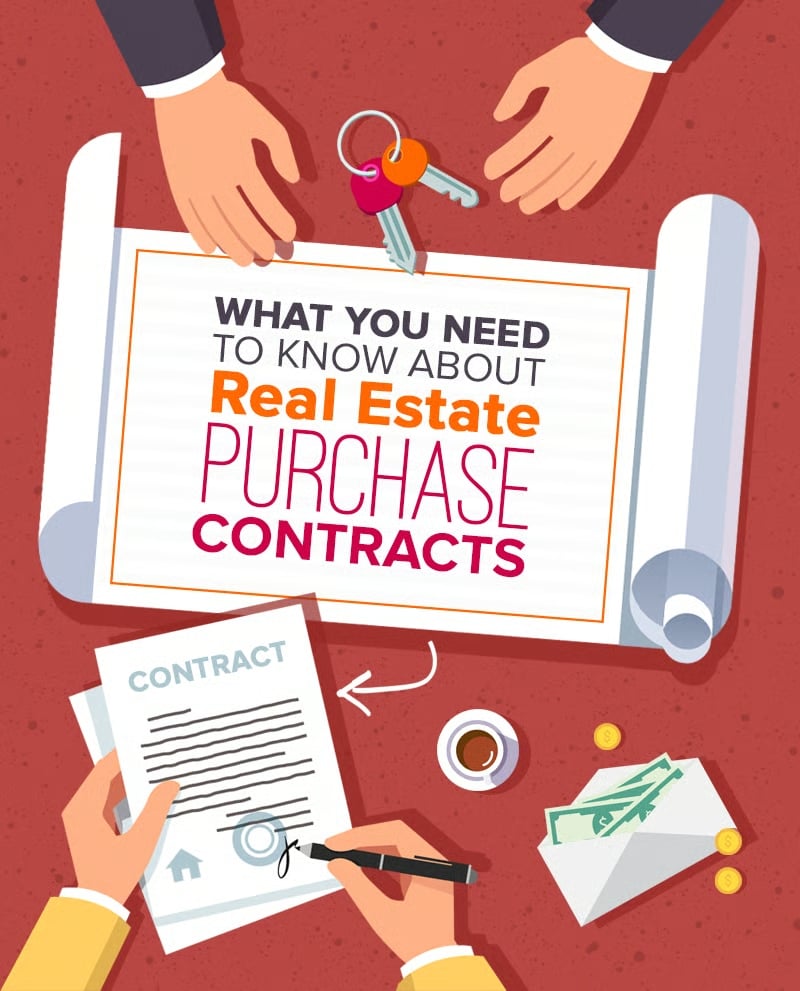
What You Need To Know About Real Estate Purchase Contracts
One of the most important documents in purchasing property is the purchase contract, also known as a purchase and sale agreement. It stipulates the agreement between the parties, and prepares the transaction for closing.
A real estate purchase contract enumerates the participating parties' -- could be two or more -- responsibilities during the period the property is taken off the market. It must be signed by both parties (buyer and seller), and it’s required by the United States Statute of Frauds to be enforceable. In essence, a real estate purchase contract is a binding, bilateral agreement with legal capacity to buy, exchange or transfer real property. Take note that the contract is based on a legal consideration, meaning that consideration is a medium of exchange for the property being purchased, which in most cases is money. There are other forms of consideration such as a promise to pay, or a property in exchange.
Contingencies serve as a preparation for the possibility of operational problems. The more thorough and defined a contingency clause is, the more it minimizes the potential loss for both parties. In the case when a contract is already in the works, a settlement contingency is used. This protects the buyer if the sale fails since the property is not really sold until the settlement or closing is finalized. In most cases, this type of contingency forbids the seller from accepting other offers on the property for a specific period. If the buyer’s home closes by the specified date, the contract remains valid. If the home does not close, the contract can be terminated.
Here are the common items listed in the contingency clause:
1. Know your terms and adapt language and terms as needed. Take note that the standard language of a contract may vary in different situations, and real estate laws vary between states--which means standard forms are not the same in every location. Given that condition, you can go over the agreement, check for changes, and adjust accordingly.
2. Consider getting professional assistance from a real estate attorney or real estate agent. If it's your first time to engage in this kind of transaction (or even if it isn’t), it’s advisable to get help from the professionals. They can guide you through the whole process of either making or doing the contract, and will point out important things to consider that you might miss.









Whether you're buying, selling, or investing, Ben Florsheim brings deep Reno-Tahoe knowledge and 13+ years of proven success to help you navigate the market with confidence and clarity.